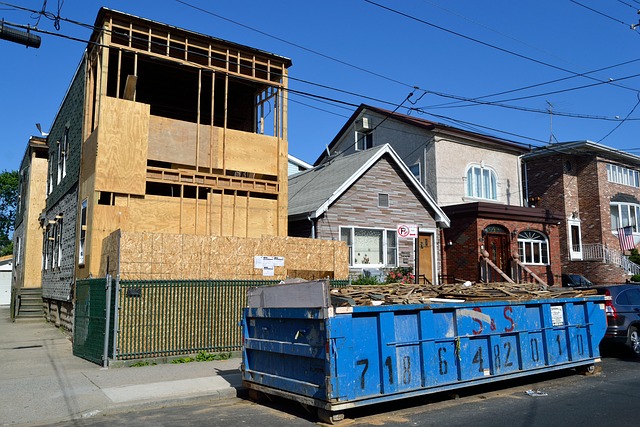
In a dynamic real estate market, balancing costs, timelines, and demand is crucial for successful projects. Developers must adapt to market fluctuations, prioritizing timely completion and sustainability. Investors thrive by staying agile, understanding economic shifts, demographics, and local trends to capitalize on opportunities and manage risks effectively.
In the dynamic realm of real estate, balancing costs, timelines, and market demand is a delicate dance. This article guides you through the intricate web of these factors, offering insights into optimizing investments. From understanding the nuances of real estate cost management to deciphering market demand’s effect on project timelines, we explore strategies for navigating market fluctuations successfully. Embrace this knowledge to navigate the competitive landscape with confidence.
Understanding Balance in Real Estate Costs

In the dynamic world of real estate, balancing costs, timelines, and market demand is an art. Understanding balance in real estate costs involves a nuanced approach where each component—construction materials, labor, and professional fees—must be carefully considered. Developers must navigate these factors to create sustainable projects that cater to market needs without exceeding financial limits.
Market demand plays a pivotal role in dictating the affordability and appeal of real estate. Timelines, too, are crucial as they impact construction costs and project completion. A well-managed balance between these elements ensures not only profitable ventures but also livable spaces that meet the diverse needs of modern societies. This delicate equilibrium is what defines successful real estate endeavors in today’s competitive market.
Market Demand's Impact on Project Timelines

In the dynamic landscape of real estate, market demand plays a pivotal role in shaping project timelines. When demand is high, developers often face the challenge of managing expedited schedules to meet the influx of potential buyers or tenants. This can lead to increased pressure on construction teams and potentially shorten the time allocated for various stages of development. Conversely, during periods of lower demand, projects may experience delays as market conditions dictate a more cautious approach.
Understanding market fluctuations is essential for real estate professionals to forecast timeline adjustments effectively. By closely monitoring demand trends, developers can proactively plan for potential bottlenecks or accelerate processes where feasible. Such strategic foresight not only ensures timely project completion but also enhances overall efficiency in the face of ever-changing real estate market dynamics.
Navigating Market Fluctuations for Profitable Investments

In the dynamic landscape of real estate, navigating market fluctuations is key to making profitable investments. Staying agile and responsive to changes in demand is crucial. Investors must keep a close eye on economic indicators, demographic shifts, and local trends to anticipate market movements. By understanding these factors, they can time their entries and exits effectively, maximizing returns while minimizing risks.
Market volatility can present both challenges and opportunities. For instance, during economic downturns, property prices may drop, offering investors the chance to secure assets at lower costs. Conversely, periods of high demand can drive up prices significantly, but those who have foreseen these trends and locked in positions early stand to gain substantial returns. Adaptability and a strategic approach are essential tools for navigating these fluctuations successfully.