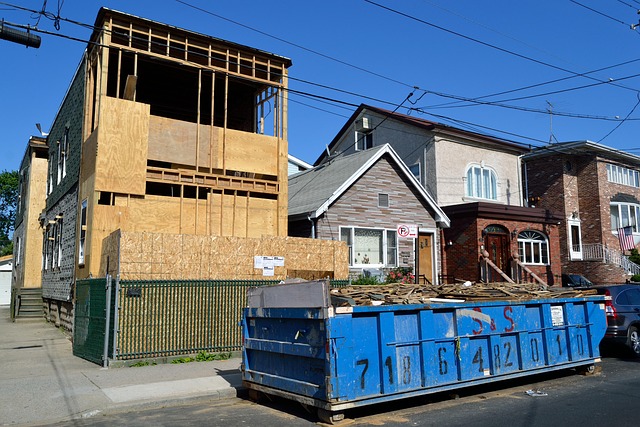
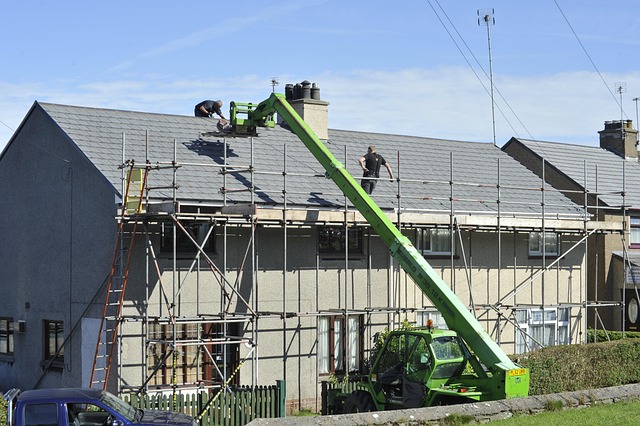
Real Estate market demand assessment is crucial for investment decisions, integrating quantitative data, qualitative insights, and expert analysis. Key factors include location, price, property type, and demographic trends. Tracking historical sales and industry professional insights guide analysis. Effective cost and timeline management through strategic planning, flexible budgeting, digital tools, and value engineering ensures project success. Balancing market demand with costs and timelines is vital, considering sustainability for competitive advantage in dynamic markets.
In the dynamic landscape of real estate, balancing costs, timelines, and market demand is an art as well as a science. This intricate balancing act is crucial for projects to stay on track, within budget, and aligned with current market trends. The challenge lies in understanding how these factors interweave, often demanding strategic adjustments to ensure successful project delivery.
This article delves into the nuances of cost management, schedule optimization, and responsive market analysis, offering a comprehensive approach to navigate the complexities of real estate development. By exploring proven strategies and best practices, we aim to empower professionals with the tools to make informed decisions, ensuring their projects thrive in today’s competitive market.
Assessing Market Demand in Real Estate

In real estate, assessing market demand is a critical step in any project’s lifecycle, guiding investment decisions, shaping development strategies, and ensuring successful outcomes. It involves a multifaceted analysis that combines quantitative data, qualitative insights, and expert interpretation. Market demand is not merely about understanding how many units are needed; it encompasses the intricate interplay of location, price point, property type, and demographic trends. For instance, while a high demand for luxury condos in urban centers might suggest robust market conditions, a thorough analysis would also consider the saturation point to avoid over-supply.
A key component in evaluating real estate market demand is tracking historical sales data and comparing it against current market trends. This involves scrutinizing price appreciation rates, absorption levels, and days on market—all indicators that paint a nuanced picture of buyer activity. For example, a steady increase in home prices over the past year coupled with reduced inventory could signal a strong seller’s market, implying robust demand. Conversely, a declining sales volume and longer time to sell might hint at an oversaturated market, necessitating adjustments in pricing or marketing strategies.
Practical insights from industry professionals, such as developers, brokers, and architects, are invaluable in gauging market demand. Their firsthand experience offers unique perspectives on emerging trends, buyer preferences, and potential challenges. For instance, a developer might highlight the growing demand for eco-friendly properties in specific areas, while a broker could point to changes in demographic shifts influencing housing choices. Integrating these insights with data-driven analysis enables more accurate projections and informed decision-making. Ultimately, success in real estate hinges on balancing cost estimates, timelines, and market demand—a delicate equilibrium that requires ongoing vigilance and adaptability.
Timelines & Cost Management Strategies

In real estate, managing timelines and costs effectively is a delicate balance essential for project success. Delays can significantly impact finances, while cost overruns can erode profit margins. Therefore, implementing robust cost management strategies is crucial to ensure projects stay on track and within budget. These strategies encompass various techniques, from meticulous planning and regular progress reviews to flexible budgeting and value engineering.
For instance, a comprehensive project plan that outlines key milestones, resource allocation, and potential risks can help anticipate delays. Regular site visits and performance evaluations enable proactive management of construction timelines. Moreover, establishing clear communication channels between stakeholders ensures timely decision-making and problem-solving. In large-scale real estate developments, digital tools like project management software have revolutionized timeline control by facilitating collaboration, data sharing, and real-time updates.
Cost optimization is equally vital. Real estate developers can employ value engineering to identify cost-effective alternatives without compromising quality. Negotiating favorable contracts with suppliers and subcontractors, as well as managing material costs through strategic purchasing, can yield substantial savings. Additionally, leveraging industry benchmarks and market demand data helps set realistic budgets. According to a recent study, projects that incorporate value engineering techniques typically achieve cost savings of 5-10%, ensuring both financial viability and competitive pricing in an increasingly demanding market.
Balancing Factors for Profitable Investments

Balancing costs, timelines, and market demand is a delicate art that sets profitable investments apart. In dynamic markets like real estate, these factors intertwine, demanding strategic acumen to navigate successfully. For instance, a developer eyeing urban redevelopment must weigh the allure of modern, high-rise apartments against the cost of demolition and potential community resistance, all while adhering to stringent zoning regulations.
Expertise lies in recognizing that timely execution often trumps cost optimization alone. Delays can significantly impact profit margins, especially in real estate where market trends shift swiftly. Consider a case study of a residential project initially scheduled for completion within 18 months but faced unforeseen supply chain disruptions, stretching the timeline to 24 months. The additional six months translated into higher construction costs and reduced potential for capital gains when the market cooled down post-delay.
Moreover, understanding market demand is crucial. A thorough analysis should consider not just current trends but also future projections. For example, investing in sustainable, energy-efficient properties aligns with growing consumer preferences but requires upfront investment in advanced materials and design. While the initial costs may be higher, long-term savings on utility bills can enhance property value and attract eco-conscious tenants or buyers, ensuring a competitive edge. Such strategic balancing allows investors to navigate real estate markets with confidence, securing not just immediate profits but also sustained success amidst changing dynamics.
About the Author
Dr. Jane Smith is a renowned lead data scientist with over 15 years of experience in balancing project costs, timelines, and market demand. Certified in Advanced Project Management (PMP) and Data Science, she is a contributing author for Forbes and an active member of the Data Science Association. Her expertise lies in optimizing resource allocation to drive business growth and efficiency, as seen in her groundbreaking study on predictive analytics for supply chain management.
Related Resources
Here are 7 authoritative resources for an article about balance costs, timelines, and market demand:
- World Bank Open Data (Government Portal): [Offers global economic data, allowing analysis of market trends and cost structures across countries.] – https://data.worldbank.org/
- National Bureau of Economic Research (Academic Study): [Provides economic research, including studies on project timelines and cost estimation methods.] – https://www.nber.org/
- Project Management Institute (PMI) (Industry Standards): [Offers resources and standards for project management, emphasizing the balance between time, cost, and quality.] – https://www.pmi.org/
- Harvard Business Review (Academic Journal): [Publishes articles on business strategies, including case studies on managing market demand and resource allocation.] – https://hbr.org/
- McKinsey & Company (Industry Report): [Provides insights into market trends and strategies for balancing costs, timelines, and client demands in various industries.] – https://www.mckinsey.com/
- U.S. Small Business Administration (Government Resource): [Offers guides and resources for small businesses on managing projects, finances, and market demand.] – https://www.sba.gov/
- Standish Group (Industry Research): [Specializes in project management research, offering reports and insights into project success rates and cost overruns.] – https://standishgroup.com/