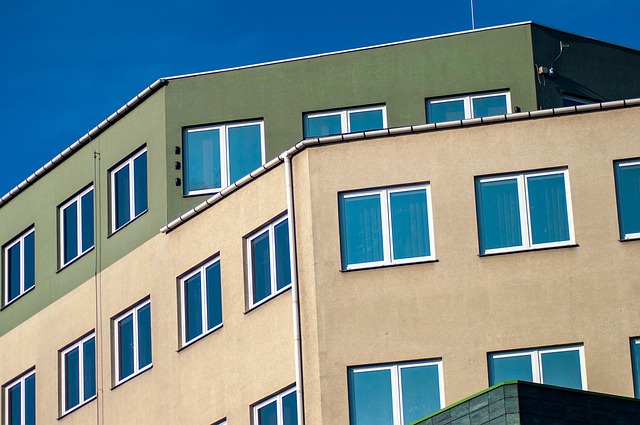
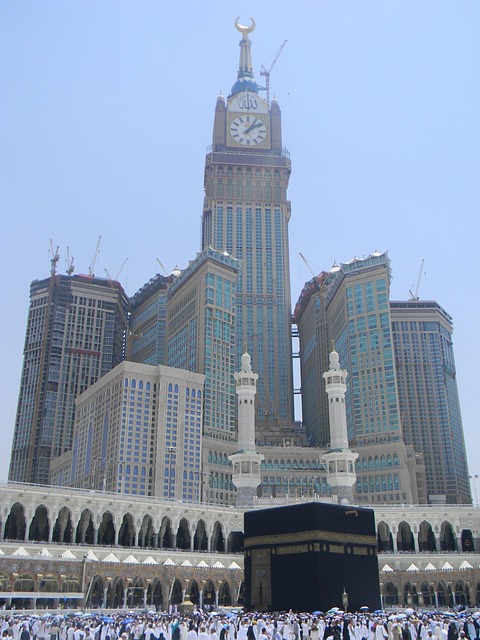
Real Estate development requires a holistic approach, integrating community infrastructure needs such as transportation, public spaces, utilities, education, healthcare, and social services. Demographic data guides planning, strategic investments in key areas are vital for growth management, and stakeholder engagement ensures community buy-in. Efficient plan layouts, diverse amenity zones, accessibility, and sustainable practices like green roofs enhance urban Real Estate appeal and market demand. Integrating sustainability throughout the project lifecycle, from site selection to post-occupancy maintenance, positions Real Estate as a force for positive environmental change.
In the dynamic landscape of urban development, the harmonious blend of plan layout and community infrastructure is a cornerstone of successful real estate ventures. As cities grow and evolve, ensuring these elements work in tandem is paramount to creating vibrant, sustainable communities. However, navigating the intricate web of zoning regulations, transportation networks, and public amenities can pose significant challenges. This article offers an authoritative exploration of best practices, providing insights into how developers and urban planners can collaborate to craft inclusive, efficient, and aesthetically pleasing spaces that enrich the lives of residents. By delving into innovative design strategies and community-focused infrastructure, we aim to equip stakeholders with the knowledge to drive transformative change in real estate development.
Understanding Community Infrastructure Needs in Real Estate
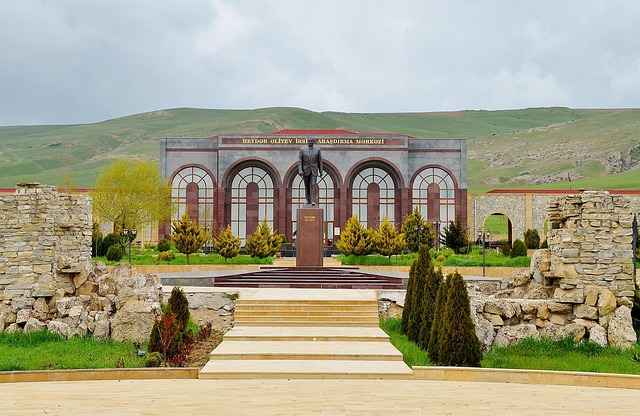
In real estate, understanding community infrastructure needs is paramount for successful planning and development. Community infrastructure encompasses a network of essential services and facilities that support the well-being and connectivity of residents. This includes transportation networks, public spaces, utilities, education and healthcare facilities, as well as social services. Real Estate projects must be designed with these considerations in mind to foster vibrant, sustainable communities. For instance, dense urban areas often require robust public transit systems and ample green spaces to mitigate congestion and promote a high quality of life.
A comprehensive analysis of infrastructure needs begins with demographic and socio-economic data. Understanding population growth trends, income levels, and age demographics allows developers and urban planners to anticipate future demands for housing, commercial spaces, and community amenities. According to recent studies, areas experiencing rapid urbanization often face challenges in accommodating growing populations while maintaining efficient infrastructure. For example, a 2021 report by the Urban Institute highlighted that cities with significant population increases require strategic investments in transportation infrastructure, affordable housing, and access to healthcare services to avoid strain on existing resources.
Practical insights into community infrastructure planning involve engaging stakeholders early in the development process. This collaborative approach ensures that the needs of residents, businesses, and local governments are considered. Public consultations, surveys, and focus groups can gather valuable feedback on priorities such as school locations, park designs, and access to public services. Incorporating these perspectives not only enhances community buy-in but also leads to more well-rounded and functional real estate projects. Developers should aim for integrated solutions that address multiple infrastructure needs simultaneously, fostering efficient, interconnected communities.
Designing Efficient Plan Layouts for Optimal Community Spaces

The design of efficient plan layouts is a cornerstone in creating optimal community spaces within urban settings. In densely populated areas, where real estate is a premium, thoughtful planning can maximize the functionality and livability of public spaces. A well-designed layout considers pedestrian traffic patterns, ensures access to essential amenities, and fosters social interactions. For instance, research shows that pedestrian-friendly neighborhoods with well-planned green spaces have higher property values and improved community well-being.
Community infrastructure should be a reflection of the diverse needs and aspirations of its residents. Incorporating various amenity zones, such as dedicated play areas for children, quiet sitting areas for seniors, and multi-purpose courts for recreational activities, can cater to different demographics. For example, a mixed-use development in Singapore seamlessly integrates residential, commercial, and recreational spaces, resulting in a thriving community hub that promotes social cohesion. This holistic approach ensures that every member of the community has access to facilities tailored to their interests and needs.
When designing plan layouts, developers and urban planners must consider accessibility as a key principle. This includes ensuring seamless navigation for individuals with disabilities and promoting inclusive design practices. Well-designed pathways, tactile paving, and accessible public transport nodes not only cater to those with physical impairments but also enhance the overall user experience for everyone. By embracing universal design principles, real estate projects can become more inclusive and appealing to a broader market segment.
Moreover, sustainable design elements should be seamlessly integrated into community infrastructure. Green roofs, rain gardens, and energy-efficient buildings contribute to environmental sustainability while enhancing aesthetic appeal. These features not only reduce the carbon footprint of development but also provide residents with opportunities for engagement with nature, promoting mental well-being and a deeper connection to their surroundings. As cities continue to grow, embracing sustainable practices in real estate becomes not just an ethical imperative but a strategic necessity.
Implementing Sustainable Practices for Long-Term Real Estate Success

In the real estate sector, long-term success hinges on integrating sustainable practices into every aspect of planning and development. As environmental consciousness continues to evolve, so too does the demand for eco-friendly spaces. Implementing green strategies not only aligns with ethical responsibility but also offers substantial economic benefits. For instance, studies show that LEED-certified buildings attract higher rents and command premium prices, demonstrating their market appeal.
Community infrastructure plays a pivotal role in fostering sustainable real estate development. Smart design incorporates elements like efficient transportation systems, accessible green spaces, and robust renewable energy solutions. Consider successful examples such as Copenhagen’s cycle-friendly urban planning, which has reduced car traffic and carbon emissions, or Singapore’s Green Mark scheme, which sets strict environmental performance standards for buildings. These models illustrate how well-planned infrastructure can drive sustainable living and create healthier, more vibrant communities.
Real estate developers have a critical responsibility to integrate these practices throughout the project lifecycle. This begins with mindful site selection, considering ecological impact and accessibility. During construction, adopting eco-friendly materials, efficient building systems, and waste management strategies is essential. Post-occupancy, ongoing monitoring and maintenance ensure energy efficiency and water conservation. By embracing these holistic approaches, developers contribute to a more sustainable future while enhancing the value and resilience of their properties.
Actionable advice for real estate professionals includes conducting thorough environmental audits before development, consulting with sustainability experts, and setting ambitious yet achievable green goals. Staying informed about evolving regulations and industry best practices is paramount. By embracing these measures, real estate naturally positions itself as a force for positive change, ensuring long-term viability in an increasingly conscious market.