Real estate investments face hidden costs beyond initial purchase, including maintenance, taxes, insurance, utilities, and legal fees, impacting financial trajectory. Effective management involves proactive budgeting, strategic planning, and data-driven forecasting. Optimizing timelines is crucial in dynamic markets, with efficient project management offering a competitive edge. Market demand strategies, leveraging analytics and agile methodologies, align construction with market demands. Assessing market trends, demographic shifts, and economic indicators is vital for successful real estate development, ensuring profitability through informed, forward-thinking strategies in the naturally cyclical sector.
In the dynamic landscape of real estate, balancing costs, timelines, and market demand is an art as much as a science. This intricate juggling act is pivotal for investors, developers, and agents alike, determining the success or failure of any project. The challenge lies in understanding how these factors interplay, often presenting seemingly insurmountable obstacles. Yet, with meticulous planning and strategic insight, these hurdles can be transformed into opportunities. This article delves into the heart of this dilemma, offering a comprehensive guide to navigating these complexities, ensuring real estate ventures thrive in today’s competitive market.
Understanding Balance Costs in Real Estate

In real estate, understanding balance costs is paramount for successful project execution and financial sustainability. Balance costs refer to the hidden expenses inherent in any property transaction or development, encompassing a wide range of factors that extend beyond initial purchase or construction prices. These costs include, but are not limited to, maintenance, insurance, property taxes, utility bills, and potential legal fees. Accurately anticipating and budgeting for these balance costs is crucial, as they can significantly impact the overall financial trajectory of a real estate venture.
For instance, consider a mid-sized apartment complex in a major urban center. While the initial acquisition cost may be substantial due to high land values and competitive bidding, ongoing balance costs such as property taxes (averaging 1-2% of the property’s assessed value annually) and insurance premiums (typically 0.5-1.0% of the building’s value per year) can accumulate over time. Additionally, utility expenses for heating, cooling, and water can range from $3 to $8 per square foot annually, varying based on climate and occupancy levels. Legal fees for ongoing compliance and potential disputes further compound these costs. Effective management of these balance costs requires meticulous tracking, proactive budgeting, and strategic planning.
Real estate professionals can mitigate the impact of balance costs through several practical strategies. Regularly reviewing and updating maintenance schedules can prevent unexpected repair bills. Engaging with reputable insurance providers and staying informed about legal trends can help optimize coverage while minimizing legal expenses. Proactive energy management, such as implementing smart building technologies or optimizing natural lighting, can reduce utility costs over time. Moreover, leveraging data analytics to forecast occupancy rates and rental income allows for more precise budgeting of balance costs associated with property operation and maintenance. Ultimately, a comprehensive understanding and proactive management of balance costs are essential for ensuring the long-term financial health and success of any real estate investment or development project.
Optimizing Timelines: Market Demand Strategies

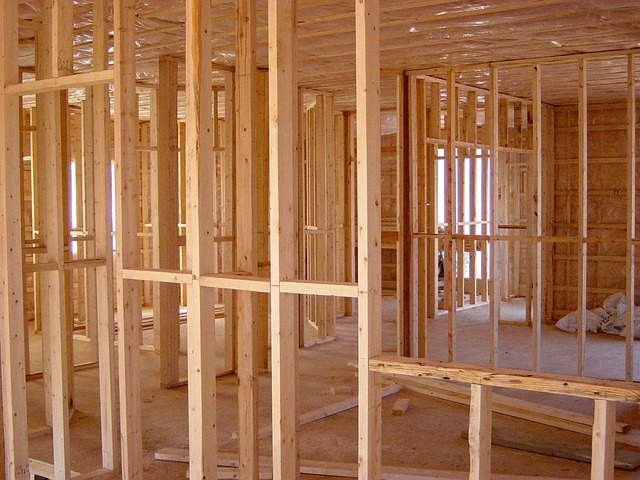
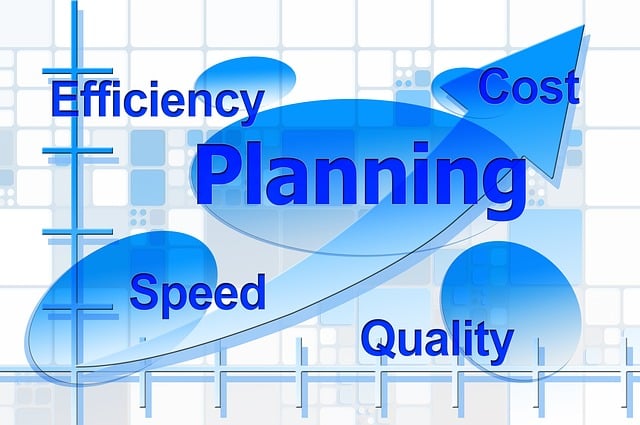
Optimizing timelines is a strategic imperative for real estate professionals aiming to balance costs and meet market demand. In today’s dynamic market, efficient project management becomes a competitive advantage. Every day of construction or renovation translates directly into cost implications, especially in urban areas where land and labor are premium. To mitigate this, forward-thinking developers and agents employ data-driven approaches to streamline processes. For instance, leveraging advanced analytics can help predict material availability and labor shortages, enabling proactive scheduling adjustments. This proactive stance allows for more accurate cost projections and ensures timely project completion.
Market demand strategies play a pivotal role in timeline optimization. Real estate experts monitor trends and consumer behavior to anticipate peak seasons and areas of high interest. For example, understanding demographic shifts can inform decisions on where to allocate resources for new developments. By aligning construction timelines with anticipated market demands, professionals can avoid unnecessary delays and reduce the risk of overshooting budgets. This strategic approach ensures that properties are ready to meet the needs of a targeted customer base, fostering higher sales rates and improved investor confidence.
Practical advice includes implementing agile project management methodologies for flexibility in addressing unforeseen challenges. Regular progress reviews and adaptive planning allow for swift reallocation of resources without significantly derailing timelines. Additionally, fostering strong relationships with reliable contractors and suppliers can streamline procurement processes, minimizing delays caused by material shortages or delivery issues. Ultimately, optimizing timelines is about combining market insight with efficient project management to deliver real estate assets that meet the demands of a competitive market.
Assessing Market Demand for Real Estate Projects
Assessing market demand is a critical step in the real estate development process, as it sets the stage for successful projects and profitable returns. Developers must delve into an in-depth analysis of local dynamics to understand the current landscape and predict future trends. This involves evaluating demographic shifts, economic indicators, and consumer preferences that influence the demand for housing, commercial spaces, or mixed-use developments. For instance, a rise in population growth rates or changes in employment patterns can significantly drive up demand for residential properties, indicating a robust real estate market.
Real estate naturally experiences cyclical trends, and developers must be adept at navigating these fluctuations. Market timing is essential; launching projects during periods of high demand often results in better sales and higher prices. However, excessive optimism or skepticism can lead to misaligned expectations. Developers should study historical data on property values, sales rates, and vacancy levels to identify market cycles and set realistic goals. For example, analyzing the success of similar projects nearby offers valuable insights into pricing strategies and market receptivity.
Expertise in assessing market demand involves a comprehensive approach, considering not just current conditions but also future projections. Demographic forecasts, urban planning initiatives, and infrastructure developments can shape real estate landscapes. Developers should stay abreast of these changes to anticipate emerging opportunities. For instance, the announcement of new transportation corridors or commercial hubs can stimulate interest in specific areas, prompting developers to strategically position their projects for maximum impact. By combining thorough market research with a forward-thinking mindset, professionals in the real estate sector can make informed decisions, ensuring that investments are aligned with current and future market demands.