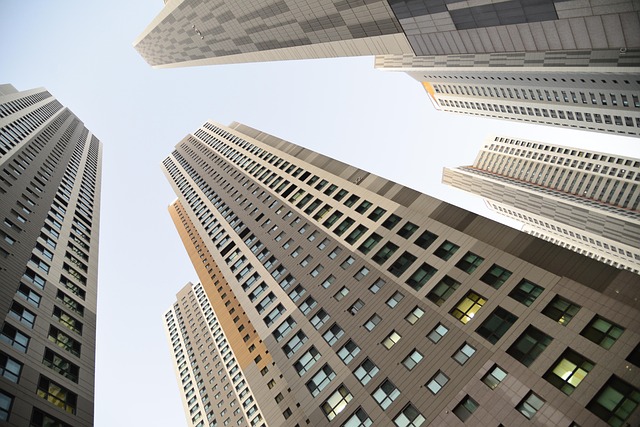
Real estate professionals assess land use and zoning for successful development. They prioritize inclusive community spaces with versatile activities. Sustainable practices, green infrastructure, and walkable public areas enhance quality of life. These strategies foster connections and resilient communities.
In real estate, successful development goes beyond mere construction. Effective planning of layout and community infrastructure is key to fostering vibrant, sustainable communities. This article delves into three critical aspects: assessing land use and zoning requirements, designing engaging community spaces, and building robust infrastructure. By exploring these elements, we uncover strategies to create dynamic environments that enhance the lives of residents and drive real estate success.
Assessing Land Use and Zoning Requirements in Real Estate
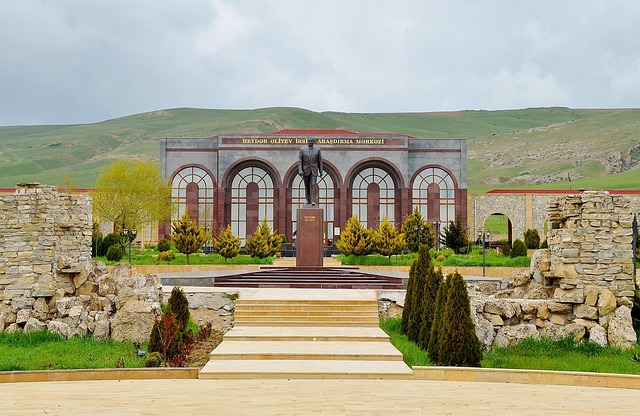
When planning a community layout, assessing land use and zoning requirements is paramount in real estate. Understanding the intended purpose and restrictions of each area ensures harmonious development that aligns with local regulations. This involves a meticulous review of property records and city plans to identify existing zoning classifications, such as residential, commercial, or industrial zones, which dictate permissible uses and building codes.
Real estate professionals must stay informed about these dynamics as they directly impact investment decisions, construction projects, and the overall viability of a community. Compliance with zoning requirements is not just a legal necessity; it guarantees that new developments integrate seamlessly into the existing fabric of the neighborhood, preserving its character and enhancing property values for all residents.
Designing Community Spaces for Optimal Engagement
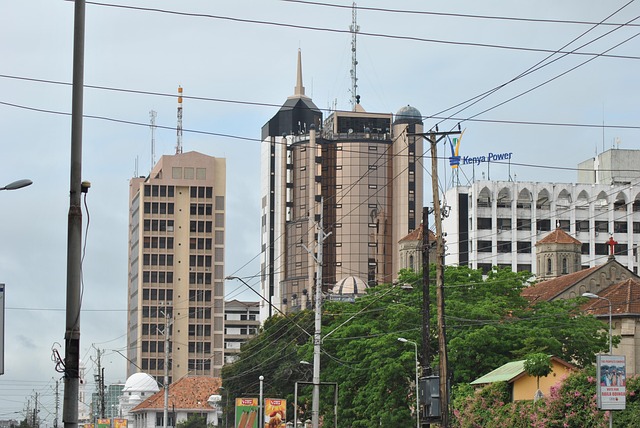
When designing community spaces within a real estate development, the goal should be to foster a sense of belonging and encourage residents’ active participation. Open and inviting areas that accommodate various activities and cater to different age groups are key. Consider incorporating dedicated play zones for children, serene green spots for relaxation, and multi-purpose courts or gardens where residents can gather, socialize, and engage in communal events.
These spaces should be designed with flexibility in mind, allowing them to adapt to evolving needs and preferences. Well-planned community infrastructure enables residents to connect, collaborate, and build strong neighborhood bonds. By prioritizing inclusive and engaging design elements, real estate projects can create vibrant hubs that enhance the overall quality of life for their inhabitants.
Building Infrastructure to Support Sustainable Communities

In the realm of real estate, the focus on sustainable communities has led to a shift in how we build and plan infrastructure. This involves creating environments that are not only eco-friendly but also foster social cohesion and economic viability. Developers are increasingly incorporating green spaces, renewable energy sources, and efficient waste management systems into their projects. These features not only reduce the community’s carbon footprint but also enhance the overall quality of life for residents.
Additionally, sustainable infrastructure in real estate involves designing public spaces that encourage interaction and collaboration among neighbors. This can include walkable neighborhoods, bike lanes, and community centers that serve as hubs for social activities. By prioritizing these aspects, developers contribute to the development of strong, resilient communities that are better equipped to face environmental and economic challenges.