Real estate success hinges on community infrastructure, including high-quality schools, efficient transportation, and vibrant public spaces. Developers should analyze existing amenities and integrate strategic design and technology to enhance resident satisfaction and appeal. Optimizing space layout fosters social interaction and well-being, while essential amenities like parks, schools, healthcare, and retail drive community vitality and property values. Smart city designs prioritize walkability for health and sustainability. Close collaboration between developers and urban planners ensures desirable communities that attract residents and businesses through holistic amenity placement.
In the dynamic landscape of Real Estate, efficient plan layout and robust community infrastructure are not just amenities—they are cornerstones of sustainable development and thriving communities. As urban areas continue to grow at an unprecedented pace, understanding how to optimize space and build supportive environments becomes paramount for developers and urban planners alike. This article delves into these critical aspects, offering a comprehensive guide to crafting livable, vibrant spaces that cater to the diverse needs of modern residents. By examining best practices and innovative solutions, we aim to equip professionals with the knowledge necessary to create communities that truly flourish.
Understanding Community Infrastructure in Real Estate

Community infrastructure is a cornerstone of successful real estate development, shaping the quality of life for residents and driving property values. It encompasses a network of physical, social, and economic resources that support daily living, recreation, and connection within a neighborhood or community. In real estate, understanding this intricate web of amenities, services, and public spaces is vital for investors, developers, and buyers alike. A well-designed community infrastructure not only enhances the desirability of a location but also contributes to its long-term sustainability and resilience.
Consider the impact of access to high-quality schools, efficient transportation systems, and vibrant public green spaces on property values and resident satisfaction. For instance, studies have consistently shown that communities with robust educational facilities and well-maintained parks attract families and professionals, leading to increased real estate demand. Furthermore, the integration of retail districts, cultural venues, and healthcare services within walking distance creates a sense of community and reduces residents’ reliance on cars, promoting sustainable living patterns. Real estate developers who prioritize these infrastructure elements often find themselves with more appealing projects that command premium prices.
When assessing a real estate investment or planning a new development, conduct a thorough analysis of the existing community infrastructure. Identify strengths and weaknesses, and consider how your project can complement or enhance nearby amenities. For example, if a neighborhood lacks dedicated recreational facilities, incorporating parks, playgrounds, or sports complexes into your design could be a significant value-add. Moreover, leveraging technology to connect these physical spaces through apps that provide real-time updates on events, services, and community news can foster a stronger sense of community engagement. By understanding and strategically addressing the infrastructure landscape, real estate professionals can create places where people thrive, connecting them to resources and experiences that enrich their daily lives.
Designing Optimal Space Layout for Maximum Engagement

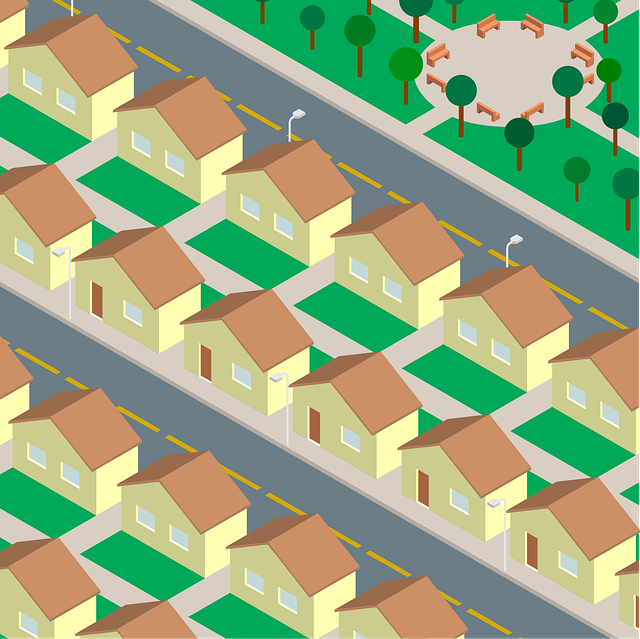
In the realm of community development, optimizing space layout is a potent tool to foster engagement and enhance overall well-being. The design of public spaces, urban areas, and residential neighborhoods significantly impacts how residents interact, move through, and perceive their environment. A carefully crafted plan can transform real estate into vibrant hubs of social interaction, encouraging walkability and fostering a strong sense of community. This approach goes beyond aesthetics; it leverages human psychology, understanding that well-designed spaces encourage people to gather, socialize, and participate in shared activities.
Real Estate professionals and urban planners must consider the principles of accessibility, functionality, and aesthetics when crafting these layouts. For instance, designing pedestrian-friendly pathways with diverse landmarks and gathering points can increase foot traffic and create a sense of destination. Green spaces, parks, and community gardens not only beautify the area but also provide opportunities for residents to connect, exercise, and engage in group activities. Data from urban planning studies suggests that well-designed public spaces can boost property values and attract businesses, leading to a thriving local economy.
Practical advice for achieving optimal space layout includes involving the community in decision-making processes through workshops and surveys to understand their needs and preferences. Incorporating diverse land uses within walking distance—from residential to commercial and recreational areas—encourages a vibrant, mixed-use community. Additionally, leveraging technology to map and analyze traffic patterns can help identify underutilized spaces and inform strategic planning. Ultimately, successful space design should create an environment that naturally encourages residents to gather, interact, and invest in their community.
Implementing Essential Amenities: The Cornerstone of Successful Communities

Implementing essential amenities is a cornerstone of successful community planning and real estate development. These amenities, ranging from parks and schools to healthcare facilities and retail centers, are not just necessities; they are catalysts for community well-being and economic growth. Well-planned amenities enhance the overall quality of life, attract residents and businesses alike, and significantly increase property values. For instance, a study by the Urban Institute found that access to quality parks and recreational facilities can boost home values by up to 10%, while good schools can increase property prices by 5-10%.
Community infrastructure, including the integration of these amenities, plays a pivotal role in shaping urban and suburban landscapes. Smartly designed layouts that prioritize accessibility and connectivity foster a sense of community and encourage social interaction. Walkability and bike-friendly paths not only promote healthier lifestyles but also reduce traffic congestion and air pollution. For example, cities like Amsterdam and Copenhagen have pioneered the concept of “15-minute cities,” where essential amenities are located within a 15-minute walk or bike ride of any point within the city, leading to significant improvements in quality of life and sustainability.
Real Estate developers and urban planners must collaborate closely to ensure that amenities are not just present but also strategically placed to serve the community effectively. This involves conducting thorough needs assessments, engaging with local stakeholders, and adopting a holistic approach that considers demographic shifts, changing lifestyles, and future growth projections. By focusing on the implementation of essential amenities, communities can create vibrant, sustainable, and desirable places to live, work, and play.